How to Select Fire-Safe Protective Materials for Children's Play Facilities
Why Fire Safety Matters in Children's Play Facilities
Children's play facilities — from indoor playgrounds to kindergartens — are high-density environments where fire safety cannot be compromised. The materials used for padding must not only protect against bumps but also resist ignition and slow flame spread.
Key Fire Safety Standards to Know
International Standards
- UL1975 — Tests for fire performance of upholstered furniture; widely accepted globally
- EN 71 (Parts 1-3) — European toy safety standard covering flammability
- ASTM F963 — US toy safety standard with flame spread requirements
Regional Standards
- GB 8624 B1 — China's highest classification for non-combustible building materials
- NFPA 701 — US standard for flame-resistant textiles and films
- BS 5852 — UK standard for ignition resistance
What to Look for in Fire-Safe Materials
1. Intrinsic Flame Retardancy
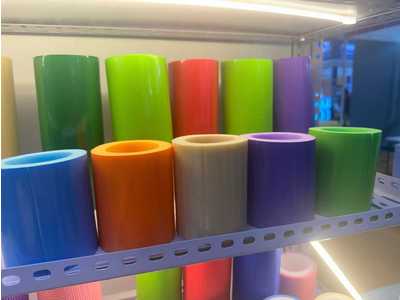
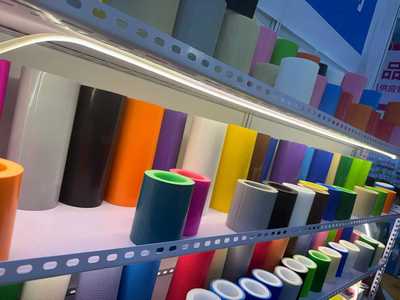
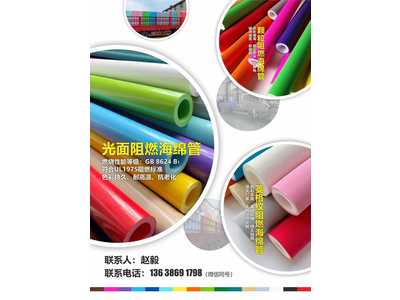
The best materials have flame retardant properties built into the polymer structure, not just surface coatings. Our flame retardant sponge tubes use intrinsically fire-resistant PVC/NBR blends.
2. Low Smoke and Toxicity
In a fire, smoke inhalation is often more dangerous than flames. Look for materials that produce minimal smoke and do not release toxic halogen gases when burned. This is especially critical in enclosed indoor spaces.
3. Self-Extinguishing Properties
Quality fire-safe materials should self-extinguish when the ignition source is removed. Test reports should show after-flame time under 2 seconds, no dripping that spreads fire, and minimal char length.
Application-Specific Considerations
Indoor Playgrounds: Focus on materials with both B1-level fire resistance and high wear durability.
Kindergartens: Materials must also meet strict chemical safety requirements. Ensure compliance with RoHS and REACH regulations.
Sports Facilities: Fire resistance plus impact absorption is the priority. Textured surfaces provide additional safety benefits.
Testing and Verification
- Request original test certificates (not copies)
- Verify certificate authenticity with the testing laboratory
- Conduct spot-check testing on incoming batches
- Document all test results for regulatory audits
Conclusion
Fire safety in children's play facilities is non-negotiable. By understanding the standards, knowing what to look for in materials, and implementing proper verification, you can create safe environments that protect children while meeting regulatory requirements.
Learn more about our applications or contact us for expert advice.