A Complete Guide to Playground Safety Standards: EN 71, ASTM F963, and GB Standards
Introduction
Playground safety is governed by a complex web of international standards. Understanding which standards apply to your market is essential for compliance and child safety. This guide covers the most important standards worldwide.
EN 71 — European Toy Safety Standard
What It Covers
EN 71 is the European standard for toy safety, consisting of 14 parts. The most relevant for playground materials are:
- Part 1: Mechanical and physical properties — covers sharp edges, pinch points, structural integrity
- Part 2: Flammability — tests how quickly materials burn and whether they self-extinguish
- Part 3: Migration of certain elements — limits heavy metals like lead, cadmium, and mercury
Key Requirements
- Materials must not ignite easily
- If ignited, flame spread must be limited
- No toxic elements above specified limits
- No sharp edges or small parts that could cause injury
Who Needs It
Any product sold in the European Union or European Economic Area that could be used as or with toys. This includes playground padding materials.
ASTM F963 — US Toy Safety Standard
What It Covers
ASTM F963 is the US Consumer Product Safety Commission's mandatory standard for toy safety:
- Flammability of solids and textiles
- Toxic element limits (8 heavy metals including lead)
- Mechanical hazards (sharp points, edges, small parts)
- Chemical requirements (phthalates, BPA)
Key Requirements
- Solids must not have a burn rate exceeding 0.1 inches per second along the major axis
- Lead content must not exceed 100 ppm in accessible substrate materials
- Phthalate content limits strictly enforced
Who Needs It
Any children's product sold in the United States. Mandatory for playground equipment components imported into the US.
GB Standards — China National Standards
GB 8624 — Fire Rating
The primary fire safety standard for building materials in China. Materials must achieve B1 (difficult to burn) classification for use in public buildings, including children's facilities.
GB 6675 — Toy Safety
China's toy safety standard, harmonized with ISO 8124. Covers mechanical safety, flammability, and chemical requirements similar to EN 71 and ASTM F963.
GB/T 27689 — Playground Equipment Safety
Specific standard for playground equipment, covering structural integrity, entrapment hazards, and impact attenuation.
Other Important Standards
ISO 8124 — International Toy Safety
International standard harmonizing toy safety requirements globally. Many countries adopt this as their national standard.
NFPA 701 — Flame Resistant Textiles
US standard for flame propagation of textiles and films. Relevant for fabric-covered padding materials.
Standard Comparison Matrix
| Standard | Region | Fire Safety | Chemical Safety | Physical Safety |
|---|---|---|---|---|
| EN 71 | EU/EEA | ✓ | ✓ | ✓ |
| ASTM F963 | USA | ✓ | ✓ | ✓ |
| GB 8624 B1 | China | ✓ | — | — |
| GB 6675 | China | ✓ | ✓ | ✓ |
| UL1975 | International | ✓ | — | — |
| ISO 8124 | International | ✓ | ✓ | ✓ |
How to Ensure Compliance
For Manufacturers
- Identify target markets and applicable standards
- Design products to meet the strictest relevant standard
- Conduct third-party testing at accredited laboratories
- Document everything — test reports, certificates, and compliance records
For Buyers
- Request compliance certificates for your target market
- Verify with the issuing laboratory
- Ensure the certificate covers the specific product and batch
- Understand the difference between "tested to" and "certified to"
Our Compliance Commitment
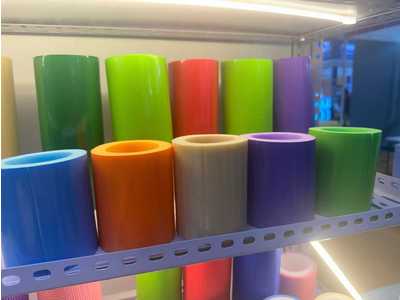
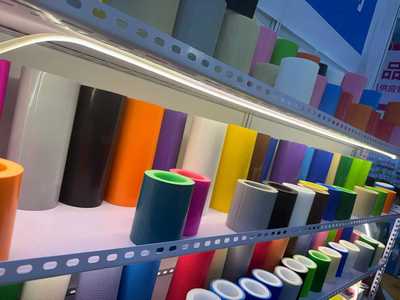
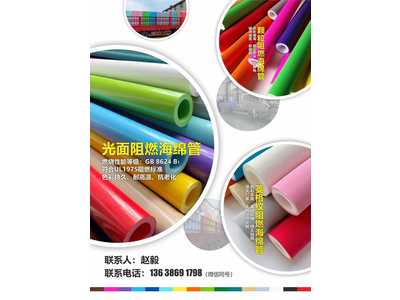
At Chuangyida, our flame retardant sponge tubes carry: GB 8624 B1 certification, UL1975 compliance, and are manufactured to meet EN 71 and ASTM F963 requirements. We provide full test documentation with every export order.
Conclusion
Understanding playground safety standards is essential for compliance and child safety. While requirements vary by market, the principles are universal: use certified flame retardant materials, ensure chemical safety, and verify through third-party testing. When in doubt, choose products that meet the most rigorous standards — they will satisfy requirements in most markets worldwide.
Need help understanding which standards apply to your market? Contact our compliance team for guidance.