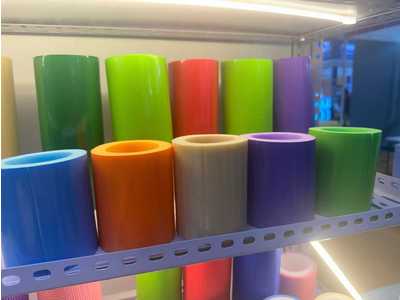
How to Clean and Maintain Sponge Tube Covering in Busy Play Centers
Why Regular Maintenance Matters
In busy play centers, sponge tube covering faces constant exposure to dirt, sweat, food, and sanitizing chemicals. Without proper maintenance, tubes can become unsanitary, degrade prematurely, and lose their protective and flame retardant properties.
Daily Cleaning Routine (5–10 Minutes)
Visual Inspection
Walk through checking for soiling, tears, loose ties, or displaced tubes. Note areas needing immediate attention.
Spot Cleaning
Blot (don't rub) liquid spills with a clean cloth. Use a damp cloth with mild soap for surface marks. Wipe dry.
High-Touch Area Wipe-Down
Focus on handrails, climbing bars, and entry points. Use a microfiber cloth dampened with water, wiping along the tube length.
Weekly Cleaning Protocol (30–45 Minutes)
Supplies
- pH-neutral cleaner (pH 6–8)
- Soft-bristle brush
- Microfiber cloths or sponges
- Clean water bucket and dry towels
Process
- Remove loose dirt with soft brush or vacuum
- Mix pH-neutral cleaner (1:50 to 1:100 dilution)
- Wash surfaces in sections with gentle circular motions
- Rinse with clean damp cloth — remove ALL residue
- Dry with clean towels; allow 30 min air drying
Avoid: Bleach (degrades material), ammonia (damages PVC), abrasive powders (scratch surface), high-alkaline cleaners (accelerate aging).
Monthly Deep Cleaning
Pre-treat stains: Degreaser for grease (5 min sit), enzyme cleaner for food stains, diluted hydrogen peroxide for mildew.
Sanitization: Apply quaternary ammonium sanitizer, follow contact time (5–10 min), allow to air dry.
Quarterly Maintenance Tasks
- Check all cable ties — replace loose or cracked ones
- Verify tubes are securely positioned
- Look for UV damage near windows
- Identify tubes showing wear for replacement planning
Cleaning Different Surface Types
Smooth Surface: Easiest to clean — any soft cloth works. Show stains most visibly.
Textured Surface: Use soft brush to work cleaner into texture. Dirt hides in texture.
Diamond Pattern: Clean along pattern direction. Use cotton swabs for embossed grooves.
Cleaning Products: Do's and Don'ts
| Recommended | Avoid |
|---|---|
| pH-neutral detergents | Bleach / chlorine |
| Mild dish soap | Ammonia-based cleaners |
| Quaternary ammonium sanitizers | Abrasive powders |
| Microfiber cloths | High-pressure washers |
| Soft-bristle brushes | Solvents (acetone, MEK) |
Signs It's Time to Replace
- Permanent staining despite cleaning
- Surface cracking or flaking
- Loss of elasticity (feels hard/brittle)
- Significant color fading
- Physical damage (tears, chunks missing)
- Persistent odors (bacterial growth)
Conclusion
Regular cleaning extends tube life, maintains hygiene, and ensures continued safety. Establish a consistent schedule and train staff on proper techniques.
Need replacement tubes? Contact us for fast delivery.